Pantry-Only Feasts That Bring Everyone to the Table

Open your cupboards and your hearts as we dive into pantry-only cooking challenges for family bonding, turning ordinary staples into extraordinary moments. Together we’ll spark creativity, cut waste, and build confidence, while simple cans, grains, and spices become catalysts for laughter, teamwork, and stories your family will retell for years.

Stocked Shelves, Shared Smiles

Start with a playful kitchen pact that everyone signs, setting gentle rules for using only what’s already on hand while leaving room for curiosity and bold experiments. Agree on time limits, cleanup helpers, and a rotating lead cook. These small rituals lower pressure, invite participation from every age, and create shared responsibility that quickly turns mealtime hustle into a joyful, collaborative ritual.

The Five-Ingredient Rule

Cap creativity by limiting each dish to five pantry ingredients, excluding salt, water, and oil. Kids love counting and negotiating, adults enjoy the focus, and everyone learns that boundaries can actually amplify flavor. This playful constraint encourages planning, swaps, and surprising improvisations that build kitchen confidence without overwhelm.

Rotate the Captain

Assign a different person as captain each night to choose recipes, delegate tasks, and pick music. Even shy family members gain a voice, discovering leadership feels safer when decisions are shared. Rotations spread skills, prevent ruts, and turn dinner into a supportive rehearsal for teamwork beyond the table.

Celebrate Imperfection

Create a shared rating system that applauds bold attempts, not just flawless outcomes. Give whimsical awards for most inventive use of beans, funniest plating, or cleverest save. Celebrating imperfect successes encourages risk-taking, diffuses stress, and turns small kitchen mishaps into inside jokes that bring everyone closer.

Staples That Do the Heavy Lifting

Discover the quiet power of shelf-stable heroes like beans, pasta, canned tomatoes, tuna, rice, oats, and spices that anchor satisfying meals without last-minute shopping. Understanding their textures, cook times, and pairing potential helps families improvise reliably, reduce waste, and craft delicious variety from a small, affordable, dependable set of ingredients.

Games, Rounds, and Friendly Scores

Bring lighthearted competition to dinner with short rounds, silly prizes, and a judging panel that changes each night. Keep rules kind and inclusive, focusing on storytelling around flavors and creative repurposing. Friendly scoring creates momentum, encourages teamwork, and gives reluctant cooks an easy way to contribute and celebrate wins.

Mystery Can Night

Choose one unlabeled or randomly selected can as the secret star, then build an entire meal around it using only pantry partners. Reveal the can at the table, share guesses, and award imaginative uses. This playful constraint boosts quick thinking and keeps weeknights surprisingly exciting without extra shopping.

Flavor Passport Spin

Spin a globe or pick a regional card, then translate the flavor profile with whatever spices and staples you already own. Discuss geography, customs, and memories while cooking. Adapting respectfully teaches flexibility, appreciation, and curiosity, helping children connect ingredients with world stories in inclusive, joyful, and sensory ways.

Nutrition Without a Grocery Run

Combine beans with rice or pasta to create complete proteins, then add olive oil, nuts, or tahini for sustained fullness. Spice blends increase perceived richness without extra calories. Teaching children why these pairings work invites science into dinner, empowering better choices long after the plates are cleared and washed.
Use canned corn, jarred peppers, frozen peas, and dried fruits to add visual excitement and micronutrients when the crisper is empty. Brightness can come from vinegar, citrus zest, and pickles. Vivid plates encourage hesitant eaters, making pantry nights feel celebratory rather than restrictive, especially when presented with playful garnishes.
Balance saltiness with acid and sweetness using mustard, vinegar, tomato paste, or a spoon of jam. Layer flavors gradually, tasting often. Conversations about balance help younger cooks understand restraint and timing, making meals feel polished while avoiding heavy hands that can overwhelm delicate pantry ingredients and family palates.

Stories From the Cupboard

Food memories bloom when limitations nudge creativity. Invite each person to share a favorite pantry discovery, a saved dinner, or a meaningful mishap that turned into laughter. These stories travel, weaving generations together and reminding everyone that home cooking is about connection, resilience, and delight more than perfection.

01

Grandma’s Lentil Surprise

Tell the tale of a stormy evening when power flickered, and a humble pot of lentils, onions, and spices warmed the room and calm returned. Recreating that bowl during busy weeks becomes ritual, anchoring the household with aroma, memory, and a deeply satisfying sense of togetherness.

02

Sibling Swap Night

Have children trade responsibilities mid-cook, passing the spoon like a baton while cheering each other on. The swap teaches empathy and flexible thinking, turning potential squabbles into supportive problem-solving. Pride rises with each completed task, and the final dish carries many hands, voices, and smiles into every bite.

03

The Burnt Toast Treaty

Agree that mistakes deserve kindness by instituting a playful treaty: if toast burns, the baker gets first pick of jam. Humor dissolves tension, modeling resilience for kids and adults alike. The treaty turns hiccups into warmth, inviting patience, curiosity, and another enthusiastic attempt tomorrow.

Budget, Time, and Less Waste

Place a small weekly cash envelope near the pantry labeled “fresh add-ons,” then race to keep most meals entirely shelf-based. Families learn tradeoffs, prioritize flavor boosters, and celebrate under-budget weeks together. Financial transparency strengthens trust and teaches practical skills that carry beyond the kitchen into shared goals.
Cook double portions of sauces, beans, or grains, then cool, label, and freeze flat for easy stacking. Future you will thank present you during hectic evenings. Having flavor anchors ready turns pantry improvisation smoother, faster, and calmer, multiplying the family’s capacity to gather and enjoy without stress.
Dedicate one night weekly to clearing nearly empty jars, orphaned noodles, and stray vegetables from the freezer. Keep notes about pairings that surprised everyone. Turning the audit into celebration normalizes stewardship, teaches planning, and makes room for gratitude as the pantry reveals new possibilities hiding behind familiar labels.

Invite the Neighborhood

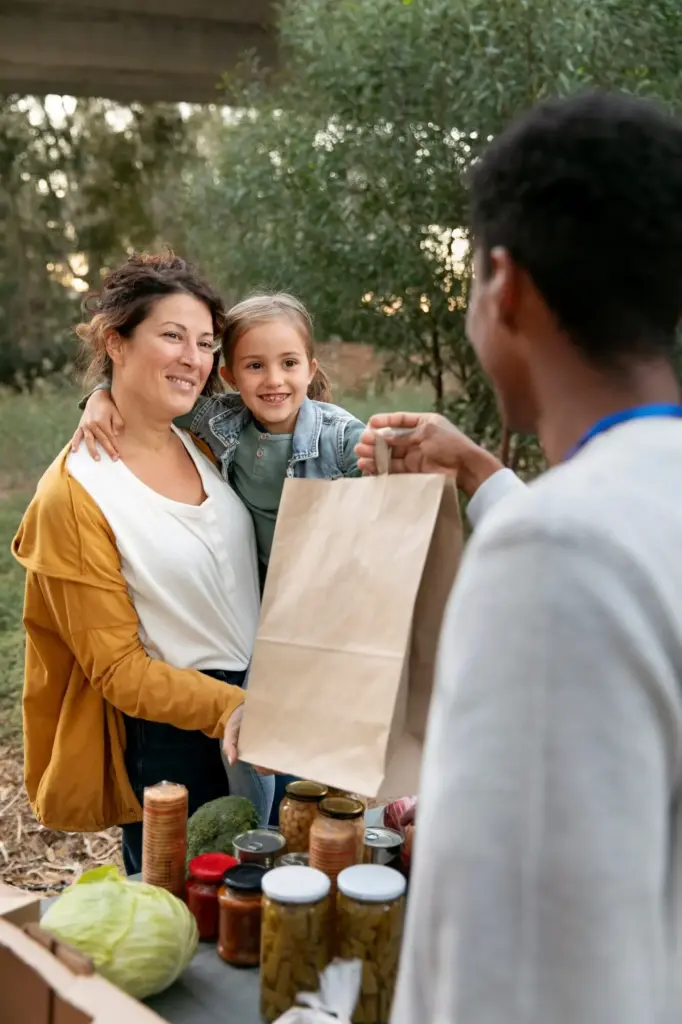
Trade pantry baskets with neighbors and challenge each other to cook something delightful from the swap. Sharing ingredients builds trust and reduces duplicates across homes. Stories and recipes travel back with the empty baskets, strengthening local connections and sparking fresh ideas when shelves look repetitive or energy feels low.

Make It a Ritual

Set a weekly soundtrack, light a candle, or ring a bell before cooking to mark the moment as special. Tiny signals shift moods, invite presence, and stabilize expectations. Rituals comfort busy families and create continuity, making simple meals feel meaningful during seasons packed with obligations and growth.

Share, Tag, and Swap

Post photos of triumphant plates and near-disasters alike, tag family members who helped, and ask friends for remix ideas. Collect favorite pantry combinations in a shared document. Public storytelling invites encouragement, sparks accountability, and builds a resilient habit that keeps weeknights fun even when schedules are difficult.

Xozaxakariponalexize
Privacy Overview

This website uses cookies so that we can provide you with the best user experience possible. Cookie information is stored in your browser and performs functions such as recognising you when you return to our website and helping our team to understand which sections of the website you find most interesting and useful.