A Night Under the Stars, Right Outside Your Door

Tonight we explore backyard camping and stargazing on a zero budget, transforming a familiar patch of grass into a cozy basecamp and humble observatory. With blankets, household items, and simple sky knowledge, you’ll slow down, breathe easier, and uncover wonder above the fence line. Expect practical tips, creative activities, safety wisdom, and memorable stories that make constellations feel like old friends, all using what you already have. Invite family, text a neighbor, or savor a peaceful solo retreat where ordinary darkness becomes a spectacular, free theatre of light.

Transform Your Yard into a Cozy Basecamp
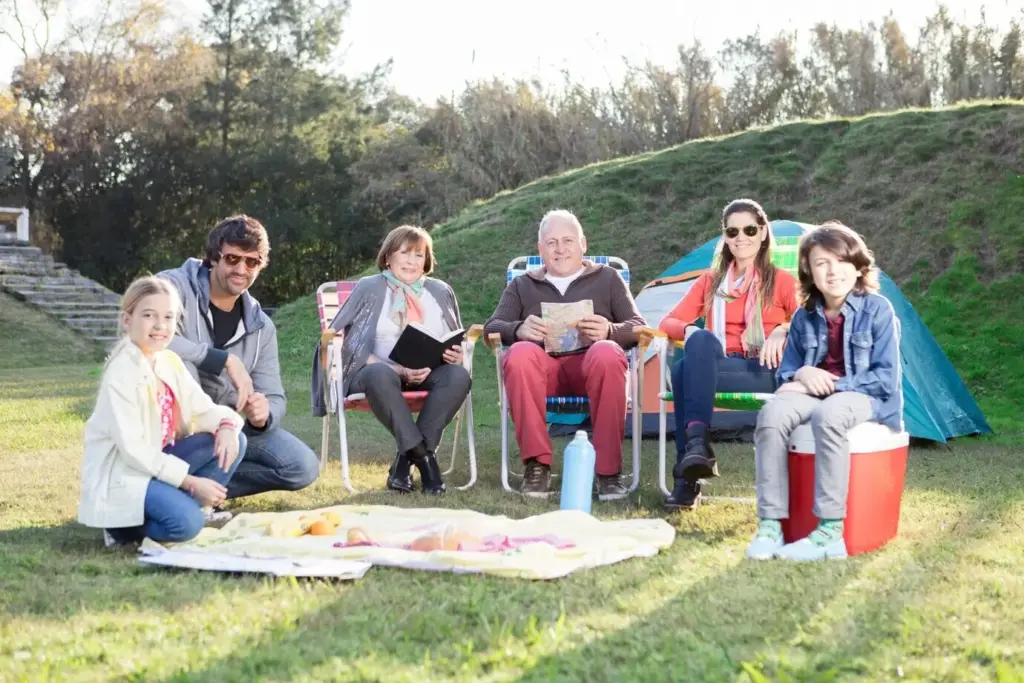
Comfort begins with what you already own. Rearrange chairs, a clothesline, and a few blankets to define a snug, wind-sheltered nook that feels intentional and special. Keep walkways clear, test sprinklers before nightfall, and plan for dew by elevating bedding. A small ritual—like lighting a battery lantern at twilight or sharing a quiet gratitude moment—signals adventure without cost. Think about noise, pets, and neighbors so everyone sleeps well, laughs easily, and wakes up with only good stories and zero complaints in the morning.

Learn the Night Sky with Only Your Eyes

You can identify bright stars and constellations without gear by building a few anchors. First, learn the seasonal path of the Big Dipper or Southern Cross depending on your hemisphere, then jump to Polaris, Orion, or Scorpius as your night’s compass. Give your eyes twenty minutes to adapt, avoid white light, and trace patterns with a fingertip. Share a story with each shape. The more meaning you attach, the more easily your brain recalls those sparkly connections in future nights.

Find Directions Using Familiar Patterns

In northern skies, extend the Big Dipper’s pointer stars to find Polaris, the steady north star. In southern latitudes, use the Southern Cross and its longer axis pointing toward south celestial pole. Find Orion’s belt and follow it to Sirius, the dog star, bright and friendly. Cassiopeia’s W shape helps balance the Dipper across Polaris seasonally. Learning only three anchors unlocks dozens of patterns. Practice slowly, repeat names aloud, then challenge someone to navigate by star landmarks across the sky.

Constellation Stories that Make the Sky Stick

Stories glue memory. Pair Orion’s belt with a tale of winter hunts and resilience, Cassiopeia’s throne with humility and curiosity, and Scorpius with caution about boldness without wisdom. Respect and explore diverse sky traditions—Greek, Polynesian, Indigenous—honoring the cultures that first connected these lights into guidance and meaning. Invite each camper to invent a new story linking stars into a personal symbol. When myths live in your voice, the patterns no longer fade; they wait for your nightly retelling.

Zero-Cost Food, Drinks, and Nighttime Treats

Comfort food makes the darkness friendly. Without buying anything, raid the pantry for crackers, chocolate chips, peanut butter, dried fruit, and cinnamon sugar to craft “campfire” bites from your regular kitchen. Use a stovetop or oven earlier, then pack warm items into lidded containers and a towel to stay cozy. Herbal tea bags, hot cocoa mix, or simple hot water with lemon zest warms hands and mood. Name snacks after constellations for playful fun, and savor slowly beneath rising stars.

Activities that Turn Darkness into Discovery
Plan a playful mix of exploration, creativity, and science, all free. Build a DIY star wheel from scrap cardboard, count meteor streaks, trace constellations on paper, or time cricket chirps to estimate temperature. Whisper‑level games keep neighbors happy while curiosity stays bright. Alternate spotlight moments so everyone shares a finding, a sketch, or a story. Capture quiet breaths between activities to notice distant airplanes, passing satellites, and the satisfying hush that arrives when the backyard finally feels like wilderness.

DIY Star Wheel from a Cereal Box

Cut two circles from cereal‑box cardboard. On one, draw months around the edge; on the other, sketch a basic star map from memory or a free reference you studied earlier. Pin them together with a twist‑tie so the month aligns with the time. No printer needed—keep it simple and symbolic. Use it to predict which constellations rise as the hours pass, then step outside and confirm. The act of making teaches your hands what your eyes are about to learn.

Night Sound Safari and Quiet Listening

Sit still and catalogue every sound: wind, an owl’s soft question, distant traffic, crickets keeping time. Try Dolbear’s law by counting chirps in fifteen seconds and adding forty to estimate Fahrenheit temperature, a playful nod to backyard science. Encourage kids to sketch sound maps, placing noises around a circle as they hear them. The hush between sounds becomes part of the music. This practice sharpens attention, deepens calm, and reveals a nocturnal neighborhood you rarely notice by day.

Mindful Moments and Journaling by Starlight

Use scrap envelopes or the backside of old mail as journaling cards. Write one page about a single star’s color, a breeze against your cheek, or the faint sweep of the Milky Way. Keep lighting dim by cupping a tiny flashlight with your palm, pointing away from eyes. Finish with three lines: something you learned, something you felt, and something you want to remember. Over time, these humble notes form a constellation of personal meaning tied to your backyard sky.

Weather, Bugs, and Comfort Strategies

Layering Like a Pro with Everyday Clothes

Use a breathable base layer to wick moisture, a fluffy mid‑layer for insulation, and a wind‑blocking top like a jacket or extra blanket. Hats and socks are essential, because extremities shed heat fast. Stash a dry layer in a bag to swap if you sweat. If temperatures plummet, tuck your knees slightly toward your chest to conserve warmth. Avoid overdressing to the point of sweating, which chills you later. Small adjustments each hour keep comfort steady through sunrise.

Mosquito and Moth Mitigation without Sprays

Use a breathable base layer to wick moisture, a fluffy mid‑layer for insulation, and a wind‑blocking top like a jacket or extra blanket. Hats and socks are essential, because extremities shed heat fast. Stash a dry layer in a bag to swap if you sweat. If temperatures plummet, tuck your knees slightly toward your chest to conserve warmth. Avoid overdressing to the point of sweating, which chills you later. Small adjustments each hour keep comfort steady through sunrise.

Rain Plans and Dew Defense

Use a breathable base layer to wick moisture, a fluffy mid‑layer for insulation, and a wind‑blocking top like a jacket or extra blanket. Hats and socks are essential, because extremities shed heat fast. Stash a dry layer in a bag to swap if you sweat. If temperatures plummet, tuck your knees slightly toward your chest to conserve warmth. Avoid overdressing to the point of sweating, which chills you later. Small adjustments each hour keep comfort steady through sunrise.

Capture and Share the Night for Free
Make memories last without new gadgets. Use your phone’s timer and a sturdy cup as a tripod, or sketch what you see and note the date, time, and horizon direction. Record voice memos of stories told under Orion. Create a shared family album or a simple cloud folder and label entries with meteor showers or phases of the Moon. Celebrate imperfections; blurred stars still hold wonder. Invite friends to add their images and reflections, turning one backyard into many skies.

Join the Skywatching Community without Spending
You’re never alone under the sky. Sync your nights with free calendars for meteor showers, eclipses, and planetary lineups. Report local sky brightness through citizen‑science projects to help researchers track light pollution. Follow observatories and educators that share live streams and guides at no cost. Consider inviting a neighbor for a quiet star hour, practicing kindness and curiosity. Share your own experiences below, subscribe for future backyard adventures, and help our growing circle keep looking up together, for free.
Xozaxakariponalexize
Privacy Overview

This website uses cookies so that we can provide you with the best user experience possible. Cookie information is stored in your browser and performs functions such as recognising you when you return to our website and helping our team to understand which sections of the website you find most interesting and useful.